வாழ்க இந்தியா! வளர்க பாரத மக்கள்!! பரவட்டும் உலகெல்லாம் பாசமும்
நேசமும்!!! சூரியனைக் கண்ட பனிபோல ஒழியட்டும் மக்களிடையே விரோத மனப்
பாங்கு!!!!

அனைவருக்கும் குடியரசு தின வாழ்த்துக்கள்


வெளியூர்களுக்கு பயணம் செல்லும்போது, பெரும்பாலோனோர், குடிப்பதற்கு பாட்டில் குடி நீரை உபயோகிப்போம். Aquafina, Kinley, Bislery போன்ற பல்வேறு கம்பெனிகளின் குடிநீர் பாட்டில்களை நாம் வாங்கி பயன்படுத்துவோம். இதில் எந்த கம்பெனி நல்ல கம்பெனி என்பதை நாம் ஆராய்வதில்லை.

தற்ப்போது கிராமங்களில் கூட கான முடிவதில்லை. (ஆனால் இன்று நட்சத்திர ஹோட்டல்களில் மெனு கார்டில் முதலிடம் பழைய சோறு காரணம் கீழே முழுவதும் படிங்க..)

தினசரி மூன்று கதலி வாழைப்பழங்களை (Banana)சாப்பிடுவதன் மூலம் பக்கவாதம் ஏற்படுவதைத் தவிர்க்க முடியும் என்று ஆய்வுகள் மூலம் கண்டறியப்பட்டுள்ளது. காலை உணவுக்குப் பின் ஒன்றும், பகல் உணவுக்குப் பின் ஒன்றும் பின்னர் ......

தோப்புக்கரணம் அமெரிக்காவில் ஆராய்ச்சிக்கு எடுத்துக் கொள்ளப்பட்டுள்ளது என்று சொன்னால் ஆச்சரியமாக இருக்கிறதல்லவா? இதனையே ஒரு தமிழன் கண்டு பிடித்து இந்த உண்மையை சொல்லி இருந்தால் எத்தனை தமிழர்கள் அவனை பைத்தியம்/ஏமாற்றுக்காரன் .....என கிண்டலடித்து இருப்பார்கள்!!!!

நாட்டின் மிகப்பெரிய வியாதியாக உள்ள ஊழலை ஒழிக்க, இளைஞர்கள் இயக்கத்தை துவக்கியுள்ளார் முன்னாள் ஜனாதிபதி அப்துல் கலாம். மாணவர்களே, உங்கள் வாழ்வின் லட்சியம் என்ன...

ஒருசிகரெட்டைப் புகைத்தால் அவருக்கு மரணம் 5.5 நிமிடம் முன்னோக்கி வருகிறது, அதைவிட அருகில் உள்ளவர்களுக்கு 7 நிமிடம் முன்னோக்கி வருகிறது என யூனிசெப் நிறுவனம் தெரிவித்துள்ளது

www.saranjkp.blogspot.com
www.saranjkp.blogspot.com

www.saranjkp.blogspot.com
வாழ்க இந்தியா! வளர்க பாரத மக்கள்!! பரவட்டும் உலகெல்லாம் பாசமும்
நேசமும்!!! சூரியனைக் கண்ட பனிபோல ஒழியட்டும் மக்களிடையே விரோத மனப்
பாங்கு!!!!
அனைவருக்கும் குடியரசு தின வாழ்த்துக்கள்
Universal Message

Where is the religion which does not recognize God? One may call God "Allah" or "Krishna" or something else, but where is that religion which does not recognize God? We are teaching that one should simply try to love God. We are attracted by so many things, but if our love is reposed in God, then we will be happy. We don't have to learn to love anything else; everything else is automatically included. Just try to love God. Don't try to love just trees or plants or insects. This will never satisfy. Learn to love God. That is Chaitanya Mahaprabhu's mission; that is our mission.
Pray regularly

There is a story of about a sea captain who in his retirement skippered a boat taking day-trippers to Shetland Islands. On one trip, the boat was full of young people.
They laughed at the old captain when they saw him say a prayer before sailing out, because the day was fine and the sea was calm.
However they weren't long at sea when a storm suddenly blew up and the boat began to pitch violently. The terrified passengers came to the captain and asked him to join them in prayer.
But he replied, "I say my prayers when it's calm. When it's rough I attend to my ship."
Here is a lesson for us:
If we cannot and will not seek God in quiet moments of our lives; we are not likely to find Him when trouble strikes. We are more likely to panic. But if we have learnt to seek Him and trust Him in quiet moments, then most certainly we will find Him when the going gets rough.
Hare Krishna Hare krishna
Krishna krishna Hare Hare
Hare Ram Hare Ram
Ram Ram Hare Hare
It's called Mindset

"Well," he said, "when they are very young and much smaller we use the same size rope to tie them and, at that age, it's enough to hold them. As they grow up, they are conditioned to believe they cannot break away. They believe the rope can still hold them, so they never try to break free.
"I was amazed. These animals could at any time break free from their bonds but because they believed they couldn't, they were stuck right where they were.
Like the elephants, how many of us go through life hanging onto a belief that we cannot do something, simply because we failed at it once before?
Wise say, “Your attempt may fail, but never fail to make an attempt.”
Value of Finger

A screw that is connected with a machine is valuable because it is working with the whole machine. And if the screw is taken away from the machine, or if it is faulty, it is worthless. My finger is worth millions of dollars as long as it is attached to this body and is serving the body. And if it is cut off from this body, then what is its worth? Nothing. Similarly, our relationship is that we are very small particles of God; therefore our duty is to dovetail our energies with Him and cooperate with Him. That is our relationship. Otherwise we are worthless. We are cut off. When the finger becomes useless the doctor says, "Oh, amputate this finger. Otherwise the body will be poisoned." Similarly, when we become godless we are cut off from our relationship with God and suffer in this material world. If we try to join again with the Supreme Lord, then our relationship is revived.
We cannot have anything that is not in God. That is not possible. Therefore in the Vedanta-sutra it is said that everything that we have is also found in God. It is emanating from God. So our relationship is that because we are small, because we are minute, we are the eternal servitors of God. In this material world also, in ordinary behaviour, we see that a man goes to serve another man because the other man is greater than he and can pay him a nice salary. So naturally the conclusion is that if we are small, our duty is to serve God. We have no other business. We are all different parts and parcels of the original entity.
The Painting on the wall
There was a king who was a great admirer of art. One day an artist came and said to the king, “Oh King! Give me a blank wall in your palace and let me paint a picture on it.”
The artist was given the job. Just then, another young man said, “Oh King! Please allow me to work on the opposite wall. I too am an artist.” The king said, “What would you like to make?” The man said, “My Lord, I shall make exactly what that man will make on the opposite wall. Moreover, I shall do so, without looking at his work. I would even request you to have a thick curtain put up between the two walls so that either of us cannot see the other.”
Everyone in the king’s court, including the king was intrigued. He decided to give the young fellow a chance. The following day a thick curtain was put into place and both the artists got to work. The first artist brought in a regular supply of paint, oil, water etc. The second one worked with some cloth and a bucket of water. After a month the first artist told the king that his work was complete. The king sent for the second artist and asked him, “Young man, when would your work be ready? I am coming to see the first wall this evening.” The man said, “My Lord, my wall is ready too!”
The king went to see the first artist’s wall. He was very, very impressed with the painting and gave a hefty sum as a reward to the artist. He then asked for the curtain to be opened up. Lo and behold! The same painting was to be seen on the opposite wall too! Amazing! But true! Each line, each minor detail was exactly as it was on the first wall. But this man had not been seeing what was going on, on the other side of the curtain. So how had he done it?

The king wanted to know the secret. He gave a double reward to the fellow. Then he said, “Young man, I am indeed very happy with your work. But you must tell me; how did you do it?”
The lad said simply, “It’s very easy! I just polished the wall every day till it shone like a mirror!” It was a wall made of white marble! The reflection of the painting across the room, showed up in it!
That is what it means to polish yourself. World is a reflection of you. Whatever you are, the world will seem to be that too. If you are happy, the world will look to be happy. If you are sad; jealous; angry; restless... that is what the world will seem to be to you!
BG 5.29
TEXT 29
TEXT
bhoktāraṁ yajña-tapasāṁ
sarva-loka-maheśvaram
suhṛdaṁ sarva-bhūtānāṁ
jñātvā māṁ śāntim ṛcchati
SYNONYMS
bhoktāram—beneficiary; yajña—sacrifices; tapasām—of penances and austerities; sarva-loka—all planets and the demigods thereof; maheśvaram—the Supreme Lord; suhṛdam—benefactor; sarva—all; bhūtānām—of the living entities; jñātvā—thus knowing; mām—Me (Lord Kṛṣṇa); śāntim—relief from material pangs; ṛcchati—achieves.
TRANSLATION
The sages, knowing Me as the ultimate purpose of all sacrifices and austerities, the Supreme Lord of all planets and demigods and the benefactor and well-wisher of all living entities, attain peace from the pangs of material miseries.
PURPORT
The conditioned souls within the clutches of illusory energy are all anxious to attain peace in the material world. But they do not know the formula for peace, which is explained in this part of the Bhagavad-gītā. The greatest peace formula is simply this: Lord Kṛṣṇa is the beneficiary in all human activities. Men should offer everything to the transcendental service of the Lord because He is the proprietor of all planets and the demigods thereon. No one is greater than He. He is greater than the greatest of the demigods, Lord Śiva and Lord Brahmā. In the Vedas the Supreme Lord is described as tam īśvarāṇāṁ paramaṁ maheśvaram. Under the spell of illusion, living entities are trying to be lords of all they survey, but actually they are dominated by the material energy of the Lord. The Lord is the master of material nature, and the conditioned souls are under the stringent rules of material nature. Unless one understands these bare facts, it is not possible to achieve peace in the world either individually or collectively. This is the sense of Kssna consciousness: Lord Kṛṣṇa is the supreme predominator, and all living entities, including the great demigods, are His subordinates. One can attain perfect peace only in complete Kṛṣṇa consciousness.
This Fifth Chapter is a practical explanation of Kṛṣṇa consciousness, generally known as karma-yoga. The question of mental speculation as to how karma-yoga can give liberation is answered herewith. To work in Kṛṣṇa consciousness is to work with the complete knowledge of the Lord as the predominator. Such work is not different from transcendental knowledge. Direct Kṛṣṇa consciousness is bhakti-yoga, and jñāna-yoga is a path leading to bhakti-yoga. Kṛṣṇa consciousness means to work in full knowledge of one's relationship with the Supreme Absolute, and the perfection of this consciousness is full knowledge of Kṛṣṇa, or the Supreme Personality of Godhead. A pure soul is the eternal servant of God as His fragmental part and parcel. He comes into contact with māyā (illusion) due to the desire to lord it over māyā, and that is the cause of his many sufferings. As long as he is in contact with matter, he has to execute work in terms of material necessities. Kṛṣṇa consciousness, however, brings one into spiritual life even while one is within the jurisdiction of matter, for it is an arousing of spiritual existence by practice in the material world. The more one is advanced, the more he is freed from the clutches of matter. The Lord is not partial toward anyone. Everything depends on one's practical performance of duties in an effort to control the senses and conquer the influence of desire and anger. And, attaining Kṛṣṇa consciousness by controlling the above-mentioned passions, one remains factually in the transcendental stage, or brahman-nirvāṇa. The eightfold yoga mysticism is automatically practiced in Kṛṣṇa consciousness because the ultimate purpose is served. There is gradual process of elevation in the practice of yama, niyama, āsana, pratyāhāra, dhyāna, dhāraṇā, prāṇāyāma, and samādhi. But these only preface perfection by devotional service, which alone can award peace to the human being. It is the highest perfection of life.
Hare Krishna Hare krishna
Krishna krishna Hare Hare
Hare Ram Hare Ram
Ram Ram Hare Hare
தமிழில் படிக்க மேலே கிளிக் செய்யவும்
BG 5.12
TEXT 12
yuktaḥ karma-phalaṁ tyaktvā
śāntim āpnoti naiṣṭhikīm
ayuktaḥ kāma-kāreṇa
phale sakto nibadhyate
SYNONYMS
yuktaḥ—one who is engaged in devotional service; karma-phalam—the results of all activities; tyaktvā—giving up; śāntim—perfect peace; āpnoti—achieves; naiṣṭhikīm—unflinching; ayuktaḥ—one who is not in Kṛṣṇa consciousness; kāma-kāreṇa—for enjoying the result of work; phale—in the result; saktaḥ—attached; nibadhyate—becomes entangled.
TRANSLATION
The steadily devoted soul attains unadulterated peace because he offers the result of all activities to Me; whereas a person who is not in union with the Divine, who is greedy for the fruits of his labor, becomes entangled.
PURPORT
The difference between a person in Kṛṣṇa consciousness and a person in bodily consciousness is that the former is attached to Kṛṣṇa, whereas the latter is attached to the results of his activities. The person who is attached to Kṛṣṇa and works for Him only is certainly a liberated person, and he is not anxious for fruitive rewards. In the Bhāgavatam, the cause of anxiety over the result of an activity is explained as being due to one's functioning in the conception of duality, that is, without knowledge of the Absolute Truth. Kṛṣṇa is the Supreme Absolute Truth, the Personality of Godhead. In Kṛṣṇa consciousness, there is no duality. All that exists is a product of Kṛṣṇa's energy, and Kṛṣṇa is all good. Therefore, activities in Kṛṣṇa consciousness are on the absolute plane; they are transcendental and have no material effect. One is, therefore, filled with peace in Kṛṣṇa consciousness. One who is, however, entangled in profit calculation for sense gratification cannot have that peace. This is the secret of Kṛṣṇa consciousness-realization that there is no existence besides Kṛṣṇa is the platform of peace and fearlessness.
Nights are Dark but Days are Light,
Wish your Life will always be Bright.
So my Dear don't get Fear Coz,
God Gift us a "BRAND NEW YEAR"
Ten Great Tips For 2011
1. Stay out of Trouble.
2. Aim for Greater Heights.
3. Stay Focused on your Job.
4. Exercise to Maintain Good Health.
5. Practice Team Work.
6. Rely on your Trusted Partner to Watch your Back. Take your Time Trusting Others.
7. Save for Rainy Days.
8. Rest and Relax.
9. Always Take Time to Smile.
AND
10. Realize That Nothing is Impossible.
தமிழில் படிக்க மேலே கிளிக் செய்யவும்
BG 4.22
TEXT 22
TEXT
yadṛcchā-lābha-santuṣṭo
dvandvātīto vimatsaraḥ
samaḥ siddhāv asiddhau ca
kṛtvāpi na nibadhyate
SYNONYMS
yadṛcchā—out of its own accord; lābha—gain; santuṣṭaḥ—satisfied; dvandva—duality; atītaḥ—surpassed; vimatsaraḥ—free from envy; samaḥ—steady; siddhau—in success; asiddhau—failure; ca—also; kṛtvā—doing; api—although; na—never; nibadhyate—is affected.
TRANSLATION
He who is satisfied with gain which comes of its own accord, who is free from duality and does not envy, who is steady both in success and failure, is never entangled, although performing actions.
PURPORT
A Kṛṣṇa conscious person does not make much endeavor even to maintain his body. He is satisfied with gains which are obtained of their own accord. He neither begs nor borrows, but he labors honestly as far as is in his power, and is satisfied with whatever is obtained by his own honest labor. He is therefore independant in his livelihood. He does not allow anyone's service to hamper his own service in Kṛṣṇa consciousness. However, for the service of the Lord he can participate in any kind of action without being disturbed by the duality of the material world. The duality of the material world is felt in terms of heat and cold, or misery and happiness. A Kṛṣṇa conscious person is above duality because he does not hesitate to act in any way for the satisfaction of Kṛṣṇa. Therefore he is steady both in success and in failure. These signs are visible when one is fully in transcendental knowledge.
Excellence...
A German once visited a temple under construction where he saw a sculptor making an idol of God. Suddenly he noticed a similar idol lying nearby.
Surprised, he asked the sculptor, "Do you need two statues of the same idol?" "No," said the sculptor without looking up, "We need only one, but the first one got damaged at the last stage."
The gentleman examined the idol and found no apparent damage. "Where is the damage?" he asked. "There is a scratch on the nose of the idol." said the sculptor, still busy with his work. "Where are you going to install the idol?"
The sculptor replied that it would be installed on a pillar twenty feet high. "If the idol is that far, who is going to know that there is a scratch on the nose?" the gentleman asked. The sculptor stopped his work, looked up at the gentleman, smiled and said, "I will know it."
The desire to excel is exclusive of the fact whether someone else appreciates it or not. "Excellence" is a drive from inside, not outside. Excellence is not for someone else to notice but for your own satisfaction and satisfaction of God.
Warmth in human relationships

A boy was born to a couple after eleven years of marriage. They were a loving couple and the boy was the gem of their eyes. When the boy was around two years old, one morning the husband saw a medicine bottle open.
He was late for office so he asked his wife to cap the bottle and keep it in the cupboard. His wife, preoccupied in the kitchen totally forgot the matter. The boy saw the bottle and playfully went to the bottle fascinated by its color and drank it all. It happened to be a poisonous medicine meant for adults in small dosages. When the child collapsed the mother hurried him to the hospital, where he died. The mother was stunned. She was terrified how to face her husband.
When the distraught father came to the hospital and saw the dead child he looked at his wife and uttered just four words.
The husband just said, "I am with you."
The husband's totally unexpected reaction is a proactive behavior. The child is dead. He can never be brought back to life. There is no point in finding fault with the mother. Besides, if only he had taken time to keep the bottle away, this would not have happened.
No one is to be blamed. She had also lost her only child. What she needed at that moment was consolation and sympathy from the husband. That is what he gave her.
If everyone can look at life with this kind of perspective, there would be much fewer problems in the world. Take off all your jealousies, un-forgiveness, selfishness, and fears. And you will find things are actually not as difficult as you think. Sometimes we spend time in asking who is responsible or whom to blame, whether in a relationship, in a job or with the people we know. By this way we miss out some warmth in human relationship.

தமிழில் படிக்க மேலே கிளிக் செய்யவும்
BG 14.16
TEXT 16
TEXT
karmaṇaḥ sukṛtasyāhuḥ
sāttvikaṁ nirmalaṁ phalam
rajasas tu phalaṁ duḥkham
ajñānaṁ tamasaḥ phalam
SYNONYMS
karmaṇaḥ—of work; sukṛtasya—in the mode of goodness; āhuḥ—said; sāttvikam—mode of goodness; nirmalam—purified; phalam—result; rajasaḥ—of the mode of passion; tu—but; phalam—result; duḥkham—misery; ajñānam—nonsense; tamasaḥ—of the mode of ignorance; phalam—result.
TRANSLATION
By acting in the mode of goodness, one becomes purified. Works done in the mode of passion result in distress, and actions performed in the mode of ignorance result in foolishness.
PURPORT
By pious activities in the mode of goodness one is purified; therefore the sages, who are free from all illusion, are situated in happiness. Similarly, activities in the mode of passion are simply miserable. Any activity for material happiness is bound to be defeated. If, for example, one wants to have a skyscraper, so much human misery has to be undergone before a big skyscraper can be built. The financier has to take much trouble to earn a mass of wealth, and those who are slaving to construct the building have to render physical toil. The miseries are there. Thus Bhagavad-gītā says that in any activity performed under the spell of the mode of passion, there is definitely great misery. There may be a little so-called mental happiness-"I have this house or this money"-but this is not actual happiness. As far as the mode of ignorance is concerned, the performer is without knowledge, and therefore all his activities result in present misery, and afterwards he will go on toward animal life. Animal life is always miserable, although, under the spell of the illusory energy, māyā, the animals do not understand this. Slaughtering poor animals is also due to the mode of ignorance.
The animal killers do not know that in the future the animal will have a body suitable to kill them. That is the law of nature. In human society, if one kills a man he has to be hanged. That is the law of the state. Because of ignorance, people do not perceive that there is a complete state controlled by the Supreme Lord. Every living creature is the son of the Supreme Lord, and He does not tolerate even an ant's being killed. One has to pay for it. So, indulgence in animal killing for the taste of the tongue is the grossest kind of ignorance. A human being has no need to kill animals because God has supplied so many nice things. If one indulges in meat-eating anyway, it is to be understood that he is acting in ignorance and is making his future very dark. Of all kinds of animal killing, the killing of cows is most vicious because the cow gives us all kinds of pleasure by supplying milk. Cow slaughter is an act of the grossest type of ignorance. In the Vedic literature the words gobhiḥ prīṇita-matsaram indicate that one who, being fully satisfied by milk, is desirous of killing the cow, is in the grossest ignorance. There is also a prayer in the Vedic literature that states:
namo brahmaṇya-devāya go-brāhmaṇa-hitāya ca
jagaddhitāya kṛṣṇāya govindāya namo namaḥ.
"My Lord, You are the well-wisher of the cows and the brāhmaṇas, and You are the well-wisher of the entire human society and world." The purport is that special mention is given in that prayer for the protection of the cows and the brāhmaṇas. Brāhmaṇas are the symbol of spiritual education, and cows are the symbol of the most valuable food; these two living creatures, the brāhmaṇas and the cows, must be given all protection-that is real advancement of civilization. In modern human society, spiritual knowledge is neglected, and cow killing is encouraged. It is to be understood, then, that human society is advancing in the wrong direction and is clearing the path to its own condemnation. A civilization which guides the citizens to become animals in their next lives is certainly not a human civilization. The present human civilization is, of course, grossly misled by the modes of passion and ignorance. It is a very dangerous age, and all nations should take care to provide the easiest process, Kṛṣṇa consciousness, to save humanity from the greatest danger.
தமிழில் படிக்க மேலே கிளிக் செய்யவும்
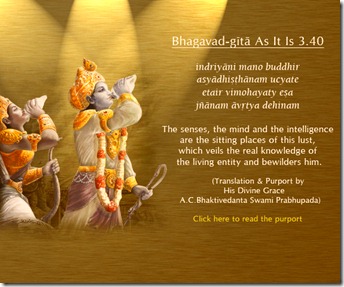
Bg 3.40
TEXT 40
TEXT
indriyāṇi mano buddhir
asyādhiṣṭhānam ucyate
etair vimohayaty eṣa
jñānam āvṛtya dehinam
indriyāṇi—the senses; manaḥ—the mind; buddhiḥ—the intelligence; asya—of the lust; adhiṣṭhānam—sitting place; ucyate—called; etaiḥ—by all these; vimohayati—bewilders; eṣaḥ—of this; jñānam—knowledge; āvṛtya—covering; dehinam—the embodied.
TRANSLATION
The senses, the mind and the intelligence are the sitting places of this lust, which veils the real knowledge of the living entity and bewilders him.
PURPORT
The enemy has captured different strategic positions in the body of the conditioned soul, and therefore Lord Kṛṣṇa is giving hints of those places, so that one who wants to conquer the enemy may know where he can be found. Mind is the center of all the activities of the senses, and thus the mind is the reservoir of all ideas of sense gratification; and, as a result, the mind and the senses become the repositories of lust. Next, the intelligence department becomes the capital of such lustful propensities. Intelligence is the immediate next-door neighbor of the spirit soul. Lusty intelligence influences the spirit soul to acquire the false ego and identify itself with matter, and thus with the mind and senses. The spirit soul becomes addicted to enjoying the material senses and mistakes this as true happiness. This false identification of the spirit soul is very nicely explained in the Śrīmad-Bhāgavatam:
yasyātma-buddhiḥ kuṇāpe tri-dhātuke
sva-dhīḥ kalatrādiṣu bhauma idyadhīḥ
yat-tīrtha-buddhiḥ salite na karhicij
janeṣv abhijñeṣu sa eva gokharaḥ.
"A human being who identifies this body made of three elements with his self, who considers the by-products of the body to be his kinsmen, who considers the land of birth as worshipable, and who goes to the place of pilgrimage simply to take a bath rather than meet men of transcendental knowledge there, is to be considered as an ass or a cow."
ருசியான பாதுஷா என்றதும் நாக்கில் எச்சில் ஊறுகிறதா?
அது செய்வது எப்படி என்று இப்போது பார்க்கலாம்.
தேவையான பொருட்கள்
மைதா 1/2 கிலோ
டால்டா 1/4 கிலோ
சர்க்கரை 1/2 கிலோ
ரீபைண்டு எண்ணெய் 1/4 கிலோ
தேங்காய்ப் பூ 1/4 பேக்கட்
பேக்கிங் பவுடர் சிறிதளவு
செய்முறை
முதலில் மைதா மாவை சலித்துக்கொள்ளவும், வாய் அகன்ற பேசின் போன்ற ஒரு பாத்திரத்தில் டால்டாவை போட்டு கையினால் நன்கு குழையவும். இப்பொழுது டால்டா உருகிய நெய் பதத்தில் வரும்பொழுது மைதா மாவு சிறிதளவு பேக்கிங் பவுடர், 4 ஸ்பூன் சர்க்கரை சேர்த்து நன்கு மிருதுவாக பூரி மாவு பிசைவது போல பிசைய வேண்டும்.
பின்னர் பூரிமாவிற்கு செய்வதுபோல சிறுசிறு உருண்டைகளாக செய்து ஒவ்வொரு உருண்டைகளையும் உள்ளங்கையில் வைத்து மற்றொரு கையினால் அதாவது மணிக்கட்டுக்கருகில் உள்ள மேடான சதைப் பகுதியில் வைத்து அழுத்திடவும் தற்போது பாதுஷா உருண்டையின் நடுவில் சிறு பள்ளம் போன்று காணப்படும். ஸ்டவ்வை பற்ற வைத்து கடாயினை ஸ்டவ்வின்மேல் வைக்கவும், பாத்திரம் சூடானதும் எண்ணெயை ஊற்றவும் எண்ணெய் காய்ந்த்தும் நான்கு அல்லது ஐந்து பாதுஷாக்களை போட்டு பொன்னிறமாக வந்ததும் எண்ணெயினை வடித்து எடுத்து வைத்துக்கொள்ளவும் மற்றொரு ஸ்டவ்வில் ஒரு அகலமான பாத்திரத்தை வைத்து அதில் சர்க்கரையை போட்டு 1 1/2 டம்ளர் தண்ணீர் விடவும். சர்க்கரை நன்கு கரைந்து கொத்தித்து பாகு பதத்தில் ஜீரா தயாராகும். இப்பொழுது பொறித்தெடுத்த பாதுஷாக்களை போட்டு சிறுதி நேரம் ஊறவிட்டு பின்னர் ஒரு தட்டில் எடுத்து ஒன்றுக்கொன்று இடைவெளி விட்டு அடுக்கி வைக்கவும். பாதுஷாவின் நடுவில் தேங்காய்ப் பூ கெஸ்பரை (தேங்காய் பூ ஒரே பாக்கெட்டில் பல கலர்கள் இருக்கும்)வினை சிறிது வைக்கவும் நன்கு ஆறியபின் எடுத்து சாப்பிடுங்கள் அந்த பார்ப்பதற்க்கு அழகாகவும் ருசிப்பதற்கு இருக்கும்.
சமையல் குறிப்பு போடுவதற்காண புதிய முயற்சி இந்த பாதுஷாவில் இருந்து ஆரம்பம். எனென்றால் திகட்டாமல் விரும்பி சுவைக்கும் இனிப்பு இதுவே எனது சர்வேயில்.
"MAHATMA GANDHI"
Gandhi in his childhood 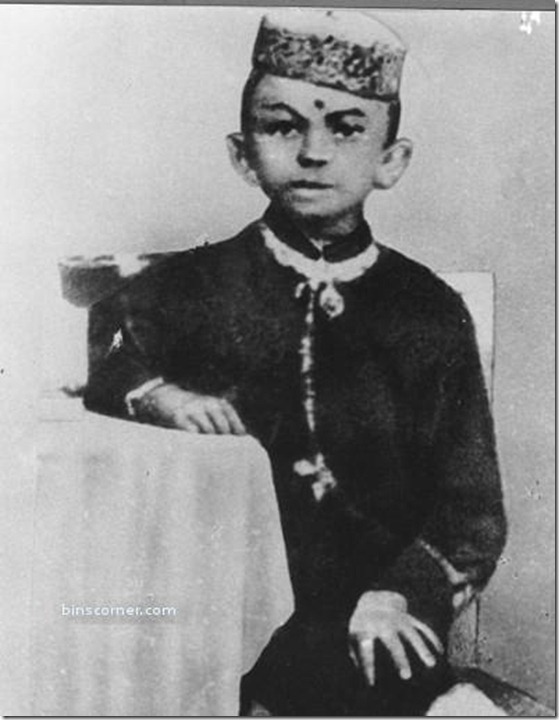
Gandhi in his teens
Mohandas Karamchand Gandhi in South Africa in 1895 
Mohandas Karamchand Gandhi as Lawyer 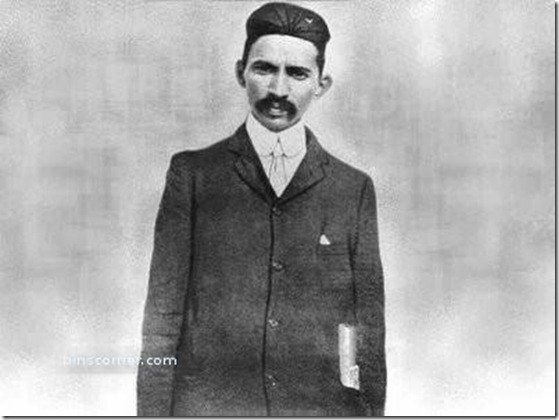
Gandhi in Videshi outfit at 19 years of age 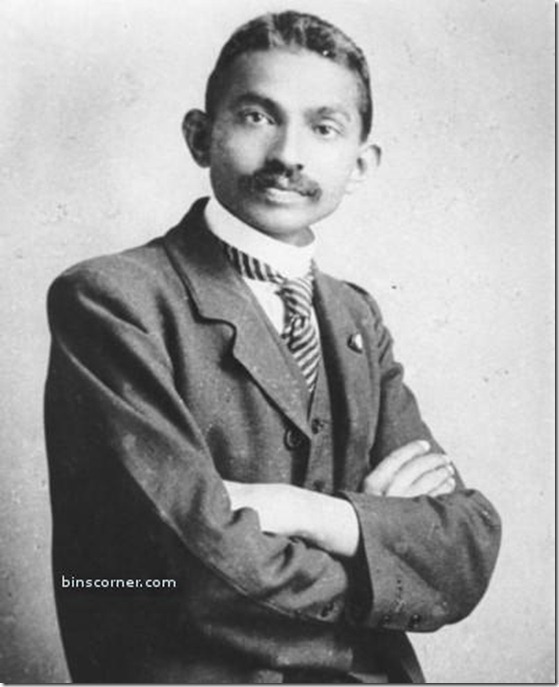
Young and handsome Gandhi 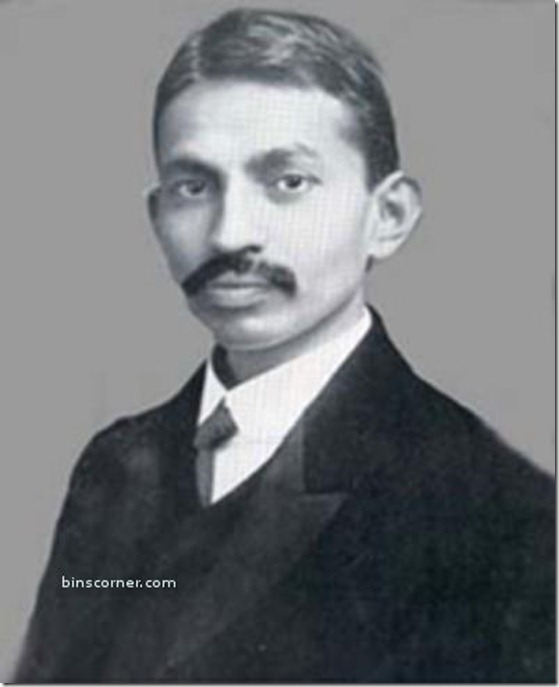
Gandhi with his wife Kasturba after returning from South Africa 
Gandhi with his collegues in South Africa 
Mohandas Gandhi with his friends in South Africa 
Gandhi and his wife Kasturba 
Gandhi preaching a group of people 
Gandhi interacting with his followers sitting in a train 
Gandhi in Downing Street, England 
Gandhi in Downing Street , London , UK 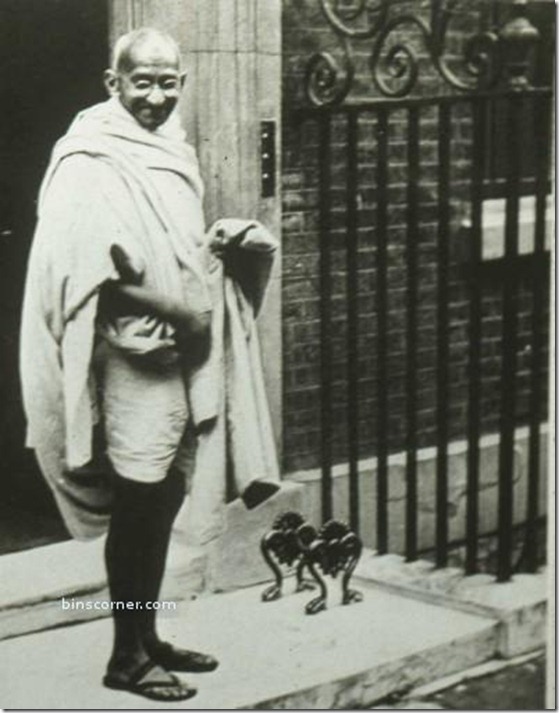
Gandhi giving speech to his followers 
Gandhi on Salt March 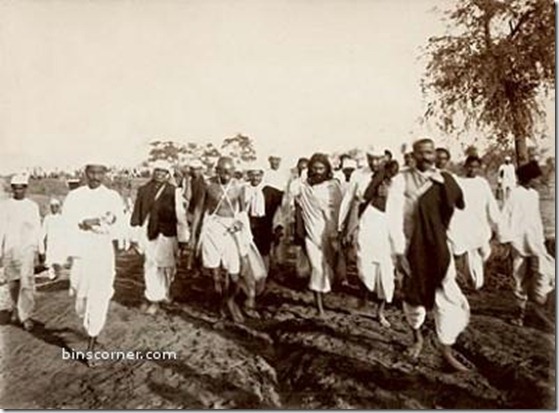
Gandhi on Dandi March 
Gandhiji lifting the salt 
Mahatma Gandhi with a facial expression of peace 
Gandhi with his supporters in the train 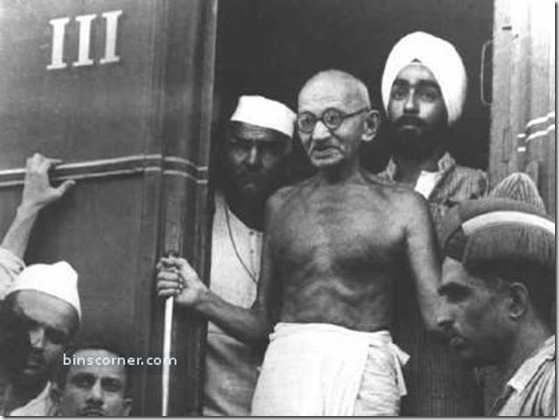
Gandhiji with two women Manu and Abha 
Gandhiji on a walk with Khan Abdul Ghaffar Khan 
The two women Manu and Abha as his walking sticks 
Gandhi-Nehru on a happy mood 
Gandhiji and Nehruji on serious discussions for attaining independence to India 
Gandhiji addressing the huge gatherings pertaining to Salt Satyagraha 
Gandhiji with Jinnah in 1944 
Gandhiji popularly known as Bapu with a sweet smile 
Gandhiji along with his followers for Salt Satyagraha 
A young boy leads Gandhiji for a walk 
Gandhiji spinning the wheel 
Bapu reading newspaper 
Gandhi and Kasturba in their old age 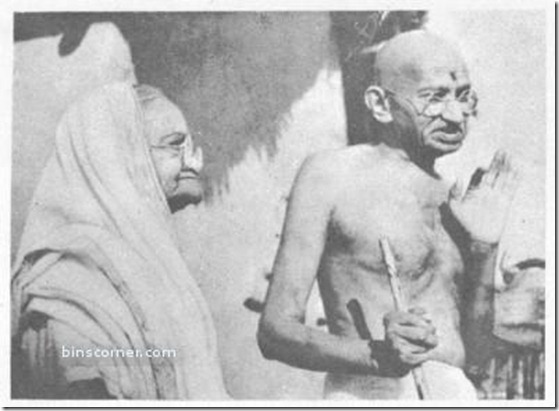
Gandhiji on fast 
Bapu's last walk for his prayer on January 30, 1948 
Mahatma Gandhi – The Father of India (1869-1948)


![clip_image001[1]](https://blogger.googleusercontent.com/img/b/R29vZ2xl/AVvXsEh-2PBF_7aSkKHfOh7kesZsPuhBkpcIJz31lQM6r33dGRgi0h2FGOpv1m7nVAR7jQ93k36dJIurL9sUeRB-d8ynQ7BXlzVf0QEpBjizaWx_SXzb-iKQJXzuLbVQsjtmTWroZIKyFC4gIccv//?imgmax=800 "clip_image001[1]")